
Weight loss snacks are small portions of food chosen to fit within an overall calorie-controlled eating plan. The concept focuses on selecting items that contribute to daily nutrient needs while helping manage hunger between meals. In this context, snacks are considered components of an eating pattern rather than therapeutic or guaranteed solutions; they may support adherence to a calorie target by providing modest energy, protein, fiber, or volume that can influence short-term appetite and meal choices.
Smart snacking within a calorie-controlled plan typically emphasizes foods that combine satisfying macronutrients (protein, fiber, small amounts of fat) and lower levels of added sugars and refined carbohydrates. Snack choices may be chosen for convenience, shelf life, or cultural preference, and they can vary widely in energy density. Selection often considers portion size, preparation method, and the snack’s role relative to main meals—for example, whether it is intended to prevent extreme hunger or to complement post-exercise recovery.
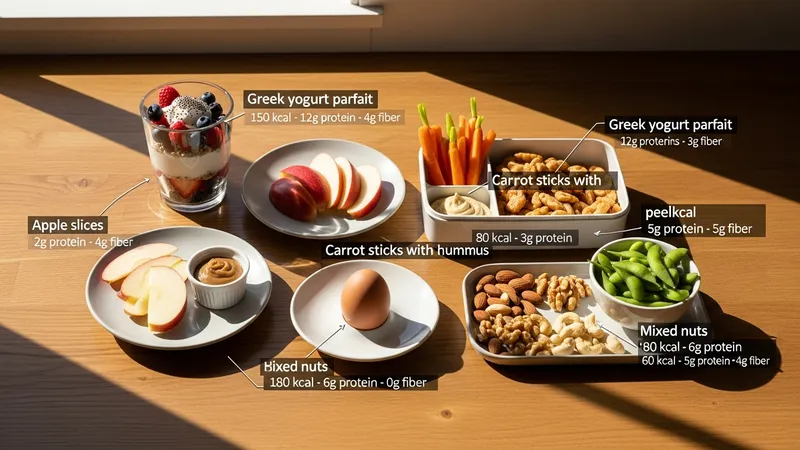
Macronutrient balance in snacks can influence perceived fullness and subsequent intake. Protein tends to slow gastric emptying and may increase satiety relative to carbohydrates alone; fiber and water volume from vegetables or fruit may also contribute to fullness with fewer calories per gram. Fat contributes to palatability and can extend satiety but also raises energy density, so choices that combine modest amounts of fat with protein or fiber often appear in calorie-conscious plans. These relationships are described in general nutrition literature and may vary between individuals.
Energy density and portion size are central considerations: foods with low energy density (high water or fiber content) often allow larger volumes for the same calorie amount, while energy-dense items require smaller portions to remain within a daily calorie target. Practical portion estimates used in planning may vary but are typically framed as ranges rather than exact prescriptions. Measuring or visual portion cues can be helpful for awareness, though personal needs and activity levels often determine exact caloric allowances.
Ingredient quality and processing level may affect how a snack fits into a calorie-controlled plan. Whole foods such as vegetables, intact fruit, plain dairy, and minimally processed legumes or nuts often provide a mix of nutrients and fewer added sugars compared with many packaged snack foods. Labels can be informative about calories, serving sizes, fiber, protein, and added sugar, and these details may support informed selection without implying that any single ingredient guarantees a specific outcome.
Timing and contextual factors around snacking can influence overall energy balance. Some people may include a mid-morning or mid-afternoon snack to maintain concentration or prevent overeating at the next meal; others may structure snacks around exercise to support recovery. Mindful eating practices—attending to hunger and fullness cues and slowing intake—may change how satisfying a snack feels and thereby influence later intake, but responses are individual and context-dependent.
In summary, the concept of weight loss snacks within a calorie-controlled plan centers on selecting small, nutrient-focused items and portion sizes that align with overall energy goals. Snacks may provide protein, fiber, and volume to support satiety, and their effectiveness often depends on portioning, ingredient choices, timing, and personal needs. The next sections examine practical components and considerations in more detail.
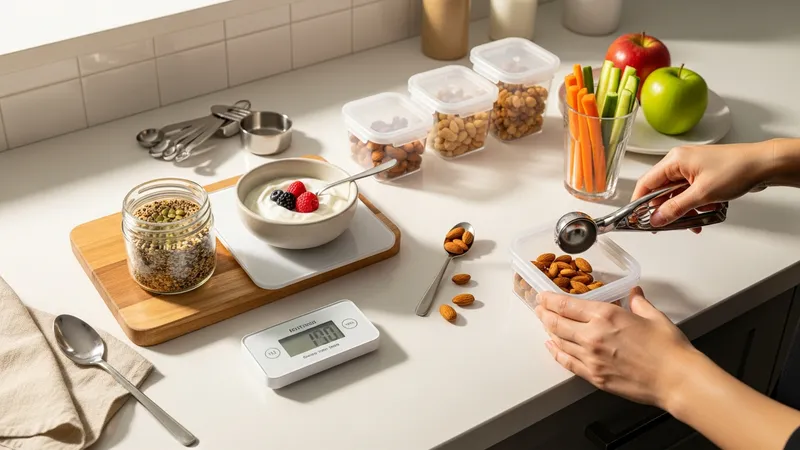
Portion control is a frequent focus when integrating snacks into a calorie-controlled plan. Because individual calorie targets vary, portion guidance is typically expressed as ranges or examples rather than fixed rules. For instance, a small serving of Greek-style yogurt or a measured handful of nuts may be suggested as a portion that balances nutrients and energy; however, the precise amount that fits a person’s plan depends on total daily intake and activity. Visible serving cues—such as a specific spoonful, a small bowl, or a standard measuring cup—can help translate abstract calorie concepts into practical amounts without implying that one portion suits everyone.
Nuts and seeds illustrate the role of energy density in portion planning. These foods provide concentrated calories along with protein and unsaturated fats, so smaller measured portions often replace larger-volume snacks. Conversely, vegetable sticks or whole fruit provide higher volume for fewer calories, which can be useful when the objective is to feel full with a modest energy contribution. Practical strategies may include pre-portioning snacks into single-serving containers or using kitchen tools to estimate amounts, framed as methods to increase awareness rather than prescriptive mandates.
Prepackaged single-serve items are commonly used for convenience, but their labeled serving size and calorie content can vary. Reading package information may help align a chosen snack with a calorie-controlled plan, recognizing that manufacturers’ serving sizes sometimes differ from typical consumer portions. When selecting packaged options, comparing the listed calories, protein, fiber, and added sugars per serving can provide context for how the item fits within a day’s intake. These comparisons are informational and do not imply superiority of any specific product.
Portion considerations also interact with meal timing and personal routines. A mid-afternoon snack that is modest in calories may prevent intense hunger at dinner for some individuals, while others may find skipping snacks suits their pattern. Tracking tools or food logs may be used by people who wish to monitor portions and total intake, but such tools are one of several available approaches and may not be necessary for everyone. The emphasis is on matching portion choices to individual calorie goals and lifestyle factors rather than following a universal prescription.
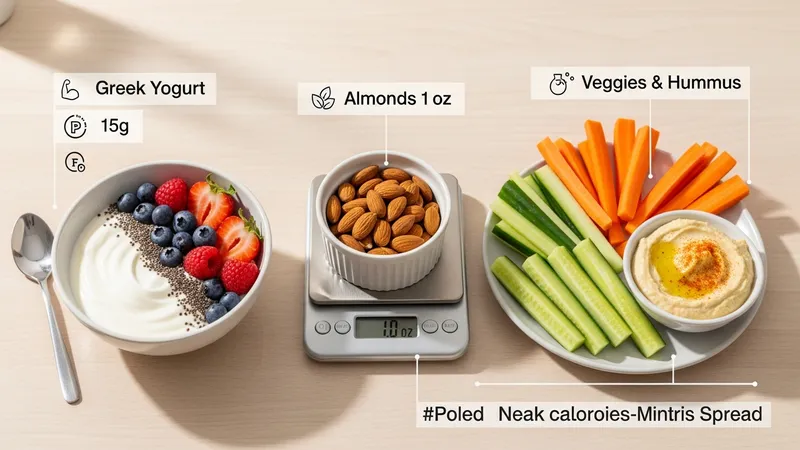
Ingredient selection often determines how well a snack fits within a calorie-controlled plan. Snacks that contribute protein and fiber may be more filling per calorie than options high in added sugars and refined starches. Examples introduced earlier—Greek-style yogurt with berries, measured nuts, and vegetable sticks with hummus—illustrate combinations of macronutrients that supply differing balances of protein, fiber, and fat. Evaluating ingredient lists and nutrition facts can inform choices without implying that a single nutrient guarantees a certain result.
Added sugars and highly processed carbohydrate snacks tend to provide calories with limited fiber or protein, which may lead to less sustained satiety for some people. In contrast, snacks based on whole-food ingredients often supply micronutrients alongside macronutrients. For sensitive contexts—such as when managing blood glucose responses—people may pay particular attention to carbohydrate type and fiber content. These considerations are descriptive and intended to help readers understand how ingredient profiles can influence perceived fullness and subsequent intake.
Preparation methods also matter: frying, heavy sauces, or large amounts of oil can raise the calorie content of familiar snack foods, while plain or lightly prepared versions may provide similar satisfaction with fewer calories. For example, raw vegetable sticks versus fried vegetable chips offer different energy densities and portion behavior. Simple preparation choices may alter how a snack integrates into a calorie-controlled plan, and these are practical considerations rather than prescriptive directives.
When selecting snack ingredients, cultural preferences, budget, and accessibility typically influence what is feasible. Legume-based dips, plain dairy, whole fruit, and shelf-stable items like canned beans can be combined creatively to form snacks that align with calorie considerations. The goal in these descriptions is to outline typical nutrient patterns and trade-offs so individuals can make informed selections that suit their needs and circumstances.

Eating habits and the timing of snacks may influence how they fit into an overall calorie-controlled plan. Some people include scheduled snacks to maintain energy between meals, support concentration, or stabilize appetite, while others prefer larger meals and minimal snacking. Neither approach is universally superior; instead, patterns are often matched to preferences, metabolic needs, and daily schedules. Descriptive guidance often notes that snack timing can interact with physical activity: eating around exercise may alter nutrient priorities, for example, emphasizing carbohydrate and protein for recovery.
Mindful eating practices can affect how satisfying a snack is. Paying attention to hunger cues, reducing distractions while eating, and pacing intake often change the subjective experience of a snack and may influence subsequent intake. These behaviors are typically presented as considerations rather than requirements, since individual responses vary. For people who report frequent unplanned snacking, structuring snack times or pre-planning portions may increase awareness and alignment with calorie goals.
Social and environmental cues commonly affect snacking patterns. Workplace settings, family routines, or availability of certain foods at home may shape choices and frequency. For example, keeping pre-portioned vegetable or protein-based snacks accessible can alter the default option when hunger arises. Such environmental modifications are described as potential supports that may make it easier to follow a chosen eating pattern, not as guarantees of specific outcomes.
Finally, emotional and habitual drivers of snacking are important contextual factors. Snacking in response to stress, boredom, or habit may lead to choices that are less aligned with a calorie-controlled plan. Awareness of triggers and alternative coping strategies—such as brief activity breaks or hydration—are often discussed in literature as considerations to pair with food-based strategies. These topics are included here to broaden understanding of the behavioral context rather than to prescribe a single solution.
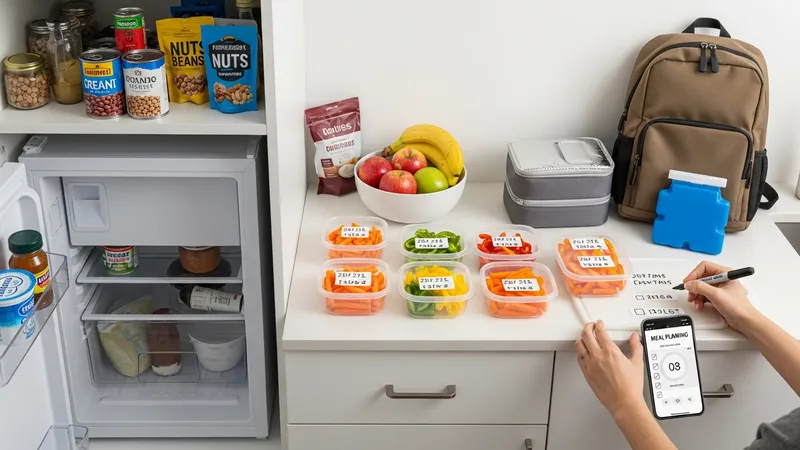
Practical lifestyle factors influence which snacks are realistic within a calorie-controlled plan. Time constraints, cooking facilities, storage space, and budget commonly shape selection. For instance, someone with limited refrigeration may prefer shelf-stable options like canned beans or single-serve nut portions, whereas others may favor fresh produce. Cost per serving can vary by food type and region; planning and simple preparation often make nutrient-focused snacks more accessible. These practical aspects are described as considerations rather than normative judgments.
Food safety and storage are relevant when preparing snacks in advance. Perishable items such as dairy-based snacks or cut vegetables require appropriate refrigeration and handling to remain safe; non-perishable alternatives may be chosen for commuting or remote work. Labeling pre-portioned containers with dates or using airtight packaging can support freshness. These operational details are neutral observations intended to inform planning and reduce food waste or spoilage.
Activity level and daily energy expenditure typically influence how snacks are incorporated. More active people may allocate a greater proportion of daily calories to fuel activity and recovery, which can change the composition and timing of snacks. Conversely, those with lower activity levels may prioritize lower-energy, higher-volume options to remain within a calorie target. These are descriptive patterns that illustrate how lifestyle and energy needs interact with snack selection.
Cultural preferences and taste play a major role in sustainable snacking patterns. Traditional snacks from diverse cuisines can often be adapted to align with calorie-conscious goals by adjusting portion sizes or preparation methods while retaining familiar flavors. Considering personal enjoyment alongside nutrient balance may improve long-term adherence to an eating plan. The discussion here aims to present practical, context-sensitive considerations to help readers understand how snacks might fit into their routines, without prescribing universal rules.